Just Sew Quilts
Sunday, March 18, 2018
Mariscal Canyon - Part 2
I finished my little (8"x9) canyon quilt. I was planning to give it borders, but couldn't find a suitable choice in my stash, so I opted to just finish the edges with a black satin stitch. I changed the color of the furthest mountain (the one that is turned gold by the sun) using Shiva Oil Sticks. And I darkened the river using Derwent Inktense Blocks.
Sunday, March 11, 2018
Mariscal Canyon - Part 1

Way back in 1995, I had the pleasure of canoeing the Rio Grande River with a group of friends. One of the highlights of the trip was camping in Mariscal Canyon. Although I didn't have a camera, several members of the group did and were kind enough to send copies of their photos to the rest of the group. One of those photos was this striking shot of Mariscal Canyon.

In 2009, I created a postcard from the photo. I was really pleased with the colors, but felt the quilting could be improved upon. I hoped to some day do a larger rendering of the canyon and improve the quilted details. Someday has at long last arrived. I decided to make this attempt 8"x9".
Here's what I have so far.
I originally thought I would bring the mountain at the very back to life by using a vibrant variegated thread, but I think it may take more than just thread to achieve the glowing effect. I have two choices. I can either try removing that piece of material (it's only fused to the adjoining pieces along the edges) or I can use my Shiva Oil Sticks to impart the glow that makes that mountain look like it is made of gold.
At this point, the pieces are only fused to each other. I haven't decided whether to fuse them all to a piece of muslin or to a piece of heavy stabilizer. In the meantime, I have been trying to come up with a way to quilt the mountains. I've done dozens of sketches with paper and pencil, and I've quilted them out three times on fabric.
![]() |
| First attempt - I didn't have a clue. |
![]() |
| Second attempt - I knew I wanted a layered effect on the furthest mountain and something different for the remaining four mountains and the shadow cast by the tall mountain on the left. |
_____________________________________________________
Some Free Motion Quilting Tips
Practice Using Felt: The only way to get good is to practice. I had been making quilt sandwiches to practice on, but it's a rather tedious process and uses up a lot of my Dritz Spray Adhesive. Then I came across a great suggestion. Instead of making quilt sandwiches, just use two layers of felt. I was extremely fortunate that my husband had a roll of felt that he was willing to donate for my FM practice. But even if I had to buy the felt, I'd come out ahead since the felt requires no basting and no batting.
Thread: I used up a 1000 yd spool of Coats and Clark quilting thread. C&C is fine for quilting an actual project, but for practicing, it is just too darn linty. I ordered a 5000 yd spool of Isacord polyester thread (this is the stuff that Leah Day uses for most of her quilting). It's working great, so I ordered an Isacord color chart and two smaller spools for my Mariscal Canyon quilt from United Thread.
Bobbin Thread: Leah Day and many other quilting guru's recommend using bobbin thread. I had some Sulky polyester bobbin thread so I used that for about three or four bobbins with the Isacord thread. Then I decided to see if I could use the Isacord thread in the bobbin since I really don't feel like purchasing extra thread to match my top thread unless I absolutely have to. It seems to work just fine. I even used it in the bobbin with two other brands of polyester thread.
Tuesday, February 6, 2018
Sharper Corners
Despite the fact that I've been quilting off and on for 10 years, I never really did any pillow case quilts or blind faced quilts until last November. I had several 8" blocks from a project I started years ago and never finished. I decided I might as well turn them into potholders since we were in short supply of them.
I mentioned my struggles with the new technique to a long-time quilter. She leads the local 4H quilting unit, and she shared some advice that one of the judges gave her at the fair. Instead of clipping the corners on a diagonal, clip them parallel to the line of stitching as shown on the right side of my drawing.

After, the corner is clipped, it will look like this.
The corners of the my sunflower hangings were trimmed this way. Both hangings included a layer of Craft Fuse in addition to the normal ingredients of a quilt sandwich, so the seams are really bulky.
I mentioned my struggles with the new technique to a long-time quilter. She leads the local 4H quilting unit, and she shared some advice that one of the judges gave her at the fair. Instead of clipping the corners on a diagonal, clip them parallel to the line of stitching as shown on the right side of my drawing.
After, the corner is clipped, it will look like this.
The corners of the my sunflower hangings were trimmed this way. Both hangings included a layer of Craft Fuse in addition to the normal ingredients of a quilt sandwich, so the seams are really bulky.
Monday, February 5, 2018
What If I...? -- Fused Hanging Sleeve
I've done a couple of small sunflower hangings that I finished with a blind facing. I didn't mind hand-finishing the facings, but I really didn't want to hand-stitch hanging sleeves for them. Magic triangles are my go-to method of hanging small quilts, but they only work when you bind the quilt. I tried adding rings to the upper corners to hang my sunflowers, but I didn't like the look. Unfortunately, these little hangings (approx. 10x12) are a little to large for the hanger I created for the little bear quilt.
The idea crossed my mind that I could fuse a hanging sleeve to the back of these quilts. I searched the net, but couldn't find any mention of using fusible for this purpose. Hmm. That really made me wonder, is there some drawback to fusing the sleeves? Certainly, I wouldn't use it for a large quilt, but these little hangings weigh next to nothing.
I decided to go a head and give it a try. I decided a 2" deep sleeve would give me the option of using a dowel rod or a wooden ruler to hang the quilt. Here's how I proceeded:
1. Cut a piece of material 4.75" wide and the width of your quilt plus 3". (E.g., if the quilt is 10 wide, cut the strip about 13" long.)
2. Turn under one end of the strip (wrong side to wrong side) by a 1/4". Press. Then turn under the folded edge so you have a nice, neat finish, and press again. Place the material on top of your quilt and eyeball the length of your sleeve. Fold the fabric and press. Open up the fabric and cut the material 3/4" beyond the fold line (i.e., the material will be 3/4" longer than you "measured"). Press under 1/4" and then repress on the original fold.
3. Stitch the folded edges.
This is where the instructions differ from how I normally make a hanging sleeve.

4. Fold the material in half lengthwise, RIGHT side to RIGHT side. Press and then stitch with a 1/4" seam.
5. Press the seam flat, but instead of placing it in the middle, roll it up toward the top by about 1/4". This will give you a good indication of how wide to cut your fusible since the fusible will be place between the original fold line and the top of the sleeve.
6. Cut a piece of fusible about 1/4" less in width than the depth of your hanging sleeve. This will be about 1.75". The length of the fusible will be about 1/8" less than the length of your hanging sleeve.
9. Place the fusible on the back (the side with the seam) of the hanging sleeve and check if it fits from side to side and from top to bottom. Side to side, you want to have it about 1/16" shy of the edges. From top to bottom, you want to fit snugly in the space between the bottom and the new fold line you created in step 5. Leaving the 1/4" strip on the back unfused will allow the sleeve to expand when a dowel rod or ruler is inserted.
10. If you are satisfied with how the fusible fills the space, apply to the sleeve following the manufacturer's instructions. Allow it to cool before proceeding.
11. Place the sleeve on top of the back of the quilt. Be sure you have the quilt oriented correctly. Place the sleeve about 3/8"-1/2" down from the top edge so that it won't show when the quilt is hanging on the wall. Fuse the sleeve to your quilt and allow to cool.

Leaving 1/4" of the back of the hanging sleeve not covered with fusible, allows the sleeve to accept a dowel rod or ruler without deforming the face of the quilt.
The idea crossed my mind that I could fuse a hanging sleeve to the back of these quilts. I searched the net, but couldn't find any mention of using fusible for this purpose. Hmm. That really made me wonder, is there some drawback to fusing the sleeves? Certainly, I wouldn't use it for a large quilt, but these little hangings weigh next to nothing.
I decided to go a head and give it a try. I decided a 2" deep sleeve would give me the option of using a dowel rod or a wooden ruler to hang the quilt. Here's how I proceeded:
1. Cut a piece of material 4.75" wide and the width of your quilt plus 3". (E.g., if the quilt is 10 wide, cut the strip about 13" long.)
2. Turn under one end of the strip (wrong side to wrong side) by a 1/4". Press. Then turn under the folded edge so you have a nice, neat finish, and press again. Place the material on top of your quilt and eyeball the length of your sleeve. Fold the fabric and press. Open up the fabric and cut the material 3/4" beyond the fold line (i.e., the material will be 3/4" longer than you "measured"). Press under 1/4" and then repress on the original fold.3. Stitch the folded edges.
This is where the instructions differ from how I normally make a hanging sleeve.

4. Fold the material in half lengthwise, RIGHT side to RIGHT side. Press and then stitch with a 1/4" seam.
5. Press the seam flat, but instead of placing it in the middle, roll it up toward the top by about 1/4". This will give you a good indication of how wide to cut your fusible since the fusible will be place between the original fold line and the top of the sleeve.
6. Cut a piece of fusible about 1/4" less in width than the depth of your hanging sleeve. This will be about 1.75". The length of the fusible will be about 1/8" less than the length of your hanging sleeve.
9. Place the fusible on the back (the side with the seam) of the hanging sleeve and check if it fits from side to side and from top to bottom. Side to side, you want to have it about 1/16" shy of the edges. From top to bottom, you want to fit snugly in the space between the bottom and the new fold line you created in step 5. Leaving the 1/4" strip on the back unfused will allow the sleeve to expand when a dowel rod or ruler is inserted.
10. If you are satisfied with how the fusible fills the space, apply to the sleeve following the manufacturer's instructions. Allow it to cool before proceeding.
11. Place the sleeve on top of the back of the quilt. Be sure you have the quilt oriented correctly. Place the sleeve about 3/8"-1/2" down from the top edge so that it won't show when the quilt is hanging on the wall. Fuse the sleeve to your quilt and allow to cool.

Leaving 1/4" of the back of the hanging sleeve not covered with fusible, allows the sleeve to accept a dowel rod or ruler without deforming the face of the quilt.
Monday, January 29, 2018
My Brother's Quilt - DIY Hanger
For small (less than 8"x10") art quilts, my preference is to display them on a shelf. However, some of the people I gift them to would prefer to hang them on the wall. One option is matting and framing, but I wanted my brother to have the option of just hanging his bear.
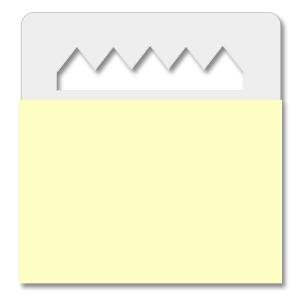
I tried attaching a loop to the back of the quilt, but it was hard to place the loop so that the quilt would hang close to level. I thought about just gluing a pre-made hanger like this on the back, but I didn't have one on hand.
I decided I could do something similar in fabric using the button hole attachment on my maching.
I cut a 3"x3" square from the backing fabric. I made a small envelope by folding right sides together leaving about 3/8" of fabric showing.

Then I stitched the sides and turned the envelope right side out.

I gave it a good press and folded the flap into the envelope.

I cut a piece of Craft Fuse, slipped it into the envelope and fused it with an iron. Now, I was ready to sew a button hole close to the folded edge of the envelope.
After completing the button hole and slicing it open with a seam ripper, I cut two pieces of Steam a Seam II. The larger piece is for the back of the hanger; the smaller is to stick inside and seal the flap.

Here's the hanger fused to the little quilt.
I tried attaching a loop to the back of the quilt, but it was hard to place the loop so that the quilt would hang close to level. I thought about just gluing a pre-made hanger like this on the back, but I didn't have one on hand.
I decided I could do something similar in fabric using the button hole attachment on my maching.
I cut a 3"x3" square from the backing fabric. I made a small envelope by folding right sides together leaving about 3/8" of fabric showing.
Then I stitched the sides and turned the envelope right side out.
I gave it a good press and folded the flap into the envelope.
I cut a piece of Craft Fuse, slipped it into the envelope and fused it with an iron. Now, I was ready to sew a button hole close to the folded edge of the envelope.
After completing the button hole and slicing it open with a seam ripper, I cut two pieces of Steam a Seam II. The larger piece is for the back of the hanger; the smaller is to stick inside and seal the flap.
Here's the hanger fused to the little quilt.
Sunday, January 28, 2018
A Gift for My Brother
My brother lives in the desert, and I try to create a desert-themed card or hanging for his birthday each year. Last year, I used Kokopelli as my inspiration. This year, I used the bear pictograph. While I was working on this year's card, I happened to take Lola Jenkins' "Thread Art" workshop on Craftsy. She is a great teacher and she really encourages her students to just do. There are no mistakes!
One of my fellow students posted the class project quilted with four quadrants of closely spaced lines. Wow! What an awesome idea for the background of my little project.
Well, now I had my subject and the background quilted. How to color it. I really wanted to use colored pencils like Lola demonstrated in her class, but all my attempts ended up muddy instead of subdued multi-color. I finally used a Stained yellow marker for the outline and Shiva iridescent oil sticks for the interior of the bear.
I set the project aside so I could cogitate on how I wanted to cut my little masterpiece. Originally, I had planned to make a 8" x 6" card, but that was before I did all of the marvelous background quilting. Yesterday afternoon, I picked up my scissors and cut it with wavy edges to suggest the piece was done on a piece of hide.
Next step, how was I going to finish the edges? I didn't want a satin stitched border or blind facing. So I decided to go with a widely spaced zigzag. After I finished zigzagging around the edge, inspiration struck. Why not run two or three rows of straight stitching around the edge?
For this piece, I felt I had come up with a perfect solution. I will also be using this finish on some of my card-sized quilts.
The final problem was how to provide a way to hang this little (9" x 7") quilt? I'll share my solution with you tomorrow.
One of my fellow students posted the class project quilted with four quadrants of closely spaced lines. Wow! What an awesome idea for the background of my little project.
Well, now I had my subject and the background quilted. How to color it. I really wanted to use colored pencils like Lola demonstrated in her class, but all my attempts ended up muddy instead of subdued multi-color. I finally used a Stained yellow marker for the outline and Shiva iridescent oil sticks for the interior of the bear.
I set the project aside so I could cogitate on how I wanted to cut my little masterpiece. Originally, I had planned to make a 8" x 6" card, but that was before I did all of the marvelous background quilting. Yesterday afternoon, I picked up my scissors and cut it with wavy edges to suggest the piece was done on a piece of hide.
Next step, how was I going to finish the edges? I didn't want a satin stitched border or blind facing. So I decided to go with a widely spaced zigzag. After I finished zigzagging around the edge, inspiration struck. Why not run two or three rows of straight stitching around the edge?
For this piece, I felt I had come up with a perfect solution. I will also be using this finish on some of my card-sized quilts.
The final problem was how to provide a way to hang this little (9" x 7") quilt? I'll share my solution with you tomorrow.
Introduction
I started quilting about 11 years ago. Six months ago, I walked away from the wonderful sport of dog agility. Since that left me lot's of free time and no outlet for my creativity, I decided to threw myself back into quilting.
I did my first craft show last December. I made back my entry fees plus a bit more (which I prompted spent at Joann's). I needed to come up with a name for my booth, and naming is really not my thing. I finally came up with Just Sew Quilts. The name fits a couple of levels.
Come along for the journey. Hopefully, you will find some useful information.
I did my first craft show last December. I made back my entry fees plus a bit more (which I prompted spent at Joann's). I needed to come up with a name for my booth, and naming is really not my thing. I finally came up with Just Sew Quilts. The name fits a couple of levels.
- First, I'm pretty damn anal, and I like things to be just so. "Perfect is the enemy of the good" was coined for people like me.
- I tend to get bogged down in the foraging-for-a-project stage, when what I need to do is move away from mining the net and just sew something on my machine.
Come along for the journey. Hopefully, you will find some useful information.
Subscribe to:
Posts (Atom)
Mariscal Canyon - Part 2
I finished my little (8"x9) canyon quilt. I was planning to give it borders, but couldn't find a suitable choice in my stash, ...
-
Way back in 1995, I had the pleasure of canoeing the Rio Grande River with a group of friends. One of the highlights of the trip was camp...
-
Despite the fact that I've been quilting off and on for 10 years, I never really did any pillow case quilts or blind faced quilts until ...
-
For small (less than 8"x10") art quilts, my preference is to display them on a shelf. However, some of the people I gift them to ...